

 (1).webp "Automotive Products")





.webp "Screwdrivers")



Using the Five Senses in Promotional Marketing
Promotional products give businesses an opportunity to create marketing experiences people can physically interact with. Depending on the product, a promotion may involve sight, touch, taste, sound or scent. Thinking about the senses can provide another way to select merchandise that fits an audience, event or marketing message.
Sight: Make Your Brand Easy to Recognize
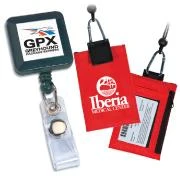
Color, shape, graphics and logo placement all contribute to the visual presentation of a promotional product. An item should represent your company clearly without becoming cluttered with too much information.
Consistent use of company colors, logos and design elements can also help promotional merchandise coordinate with signs, printed materials, packaging and other parts of a marketing campaign.
Touch: Create a Tangible Brand Experience
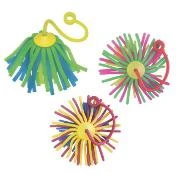
One characteristic that distinguishes promotional merchandise from many other forms of marketing is that recipients can physically handle and use the product. Texture, weight, shape and function all become part of the experience.
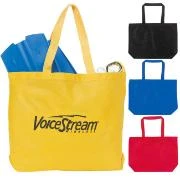
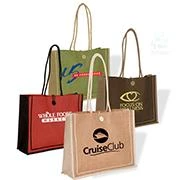
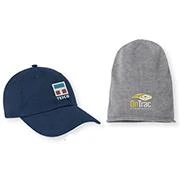
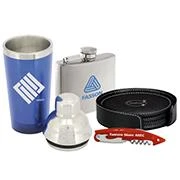
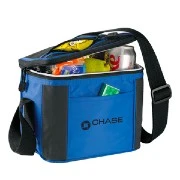
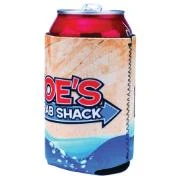
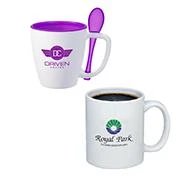
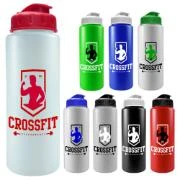
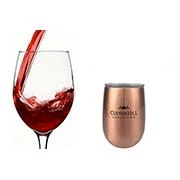
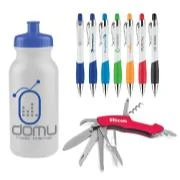
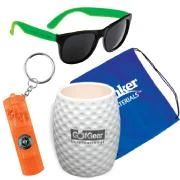
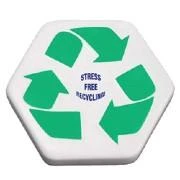
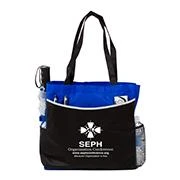
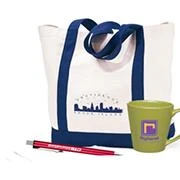
Apparel, bags, drinkware, writing instruments, stress relievers, desk accessories and many other promotional products provide a physical connection between the recipient and the branded item.
Taste: Add Food to the Promotion
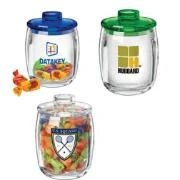
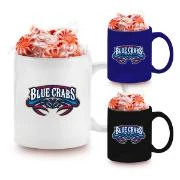
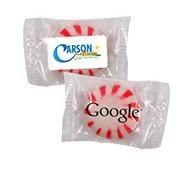
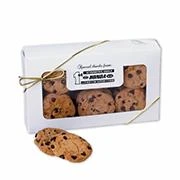
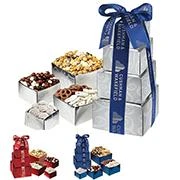
Food gifts, candy, snacks and other edible promotions can be used for customer appreciation, employee programs, meetings, events and seasonal campaigns. Packaging, containers and presentation can also provide space for company branding or a promotional message.
When selecting food-related promotions, consider the occasion, audience, distribution method and any relevant dietary information.
Sound: Consider Products That Add Interaction
Some promotional products incorporate sound or are associated with activities where sound is part of the experience. Event items, entertainment-related merchandise and certain electronic accessories can add another interactive element to a promotion.
Sound does not need to be part of every campaign. As with any promotional feature, it should make sense for the setting and the people receiving the product.
Scent: Use Fragrance When It Fits the Audience
Certain promotional products may incorporate fragrance or naturally have a recognizable scent. These products can be considered for selected campaigns when scent is appropriate to the theme, product or audience.
Because fragrance preferences vary, scent-based promotions should be chosen thoughtfully and used where they complement the overall marketing idea.
You Do Not Need to Use All Five Senses
A successful promotion does not need to incorporate sight, touch, taste, sound and scent at the same time. In many cases, one or two sensory elements are enough to support the campaign.
The important consideration is whether the product is appropriate for the recipient and whether it supports the message you want to communicate.
Match the Product to the Marketing Goal
A food gift for customer appreciation serves a different purpose from a tote bag at a trade show or branded apparel at a company event. Start with the audience and marketing objective, then consider which type of product and sensory experience fits the occasion.
This approach can be used for trade shows, corporate events, direct-mail campaigns, employee programs, customer gifts, product launches and many other promotions.
Create a More Memorable Promotional Experience
Thinking about the senses can help businesses look beyond simply placing a logo on an item. The way a promotional product looks, feels and functions can all contribute to the recipient's experience with it.
Garrett Specialties can help you explore promotional products for events, customer appreciation, employee programs and marketing campaigns. For assistance selecting products for your audience and promotion, call 1-800-320-1510.


